Advantage of Invisalign: Why Should You Choose a Dentist for Invisalign Treatment?
In recent years, Invisalign has gained tremendous popularity as a modern solution for straightening teeth. Unlike traditional braces, Invisalign is designed to be nearly invisible, offering a more aesthetic and comfortable alternative. If you’re considering improving your smile and wondering if Invisalign is the right choice, this article will explore the benefits and why seeking a dentist for Invisalign treatment is crucial for optimal results.
What is Invisalign?
Invisalign is a teeth-straightening system that uses a series of clear, removable aligners to gradually move teeth into their desired position. These aligners are custom-made for each patient, ensuring a perfect fit. Unlike metal braces, Invisalign aligners are virtually invisible, making them an excellent choice for adults and teenagers looking for a discreet way to improve their smile.
Why Should You Choose a Dentist for Invisalign?
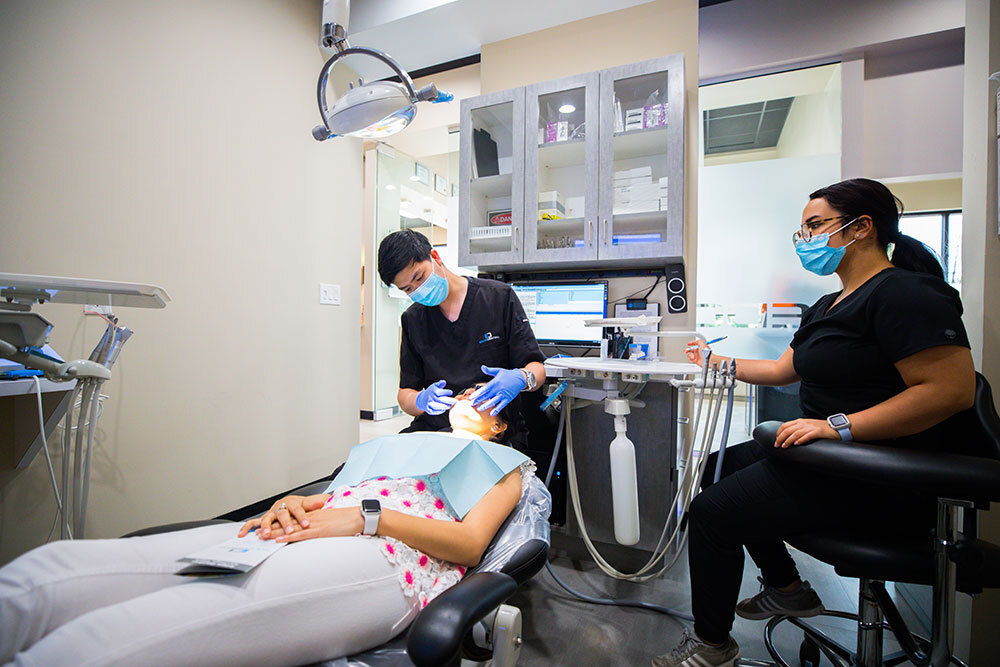
While Invisalign is a popular choice, it’s essential to consult a qualified dentist near me or orthodontist to ensure you receive the best care. A professional dentist has the expertise to evaluate your dental health, recommend the appropriate treatment plan, and monitor your progress throughout the Invisalign process.

1. Professional Evaluation and Personalized Treatment
One of the main advantages of choosing a dentist for your Invisalign treatment is their ability to assess your unique dental condition. Not everyone is a candidate for Invisalign, and a dentist will examine factors such as your bite, gum health, and overall dental structure to determine if Invisalign is the best solution. This personalized evaluation is critical to ensuring the treatment is safe and effective for you.
After the initial assessment, the dentist will create a custom treatment plan based on your specific needs. Using advanced 3D imaging technology, your dentist can map out the entire process, predicting how your teeth will move with each set of aligners. This personalized approach ensures that your treatment will be as efficient as possible, minimizing discomfort and achieving the best possible results.
2. Expert Guidance Throughout the Process
Invisalign treatment requires regular check-ins with your dentist to ensure everything is progressing smoothly. Unlike mail-order aligners or DIY solutions, a professional dentist can adjust your treatment plan as needed and address any issues that arise. These follow-up appointments are crucial to making sure the aligners are working as intended and that your teeth are moving according to plan.
Your dentist will also provide guidance on how to care for your aligners, maintain oral hygiene during treatment, and what to expect at each stage of the process. This ongoing support ensures that your Invisalign journey is seamless and stress-free.
3. Safe and Monitored Treatment
DIY aligners or mail-order aligner companies may seem convenient, but they lack the professional oversight that a dentist can provide. Invisalign involves more than just wearing aligners – it requires careful monitoring to prevent complications such as tooth decay, gum issues, or misalignment. A trained dentist will monitor your progress closely and make necessary adjustments to ensure the treatment is moving in the right direction.
Additionally, a dentist can provide treatment for any underlying dental issues that could affect your Invisalign results, such as cavities, gum disease, or impacted teeth. By addressing these issues before starting treatment, your dentist ensures that your Invisalign experience is not only successful but also safe.
How Does Invisalign Compare to Traditional Braces?
Invisalign offers several advantages over traditional metal braces, making it a popular choice for individuals seeking orthodontic treatment. But how do they stack up?
1. Aesthetic Appeal
The most significant difference between Invisalign and traditional braces is their appearance. Metal braces are noticeable and can cause self-consciousness, especially for adults. In contrast, Invisalign aligners are clear and nearly invisible, allowing patients to straighten their teeth discreetly. This makes Invisalign an excellent option for professionals or anyone who prefers a more subtle approach to orthodontics.
2. Comfort and Convenience
Invisalign aligners are made from smooth plastic, reducing the risk of mouth irritation and discomfort associated with metal brackets and wires. Since the aligners are removable, patients can take them out while eating, drinking, or brushing their teeth. This convenience eliminates the dietary restrictions that come with braces and allows for easier oral hygiene, reducing the risk of plaque buildup and tooth decay.
Traditional braces, on the other hand, are fixed in place and can cause discomfort, especially after adjustments. Braces also require more careful attention to oral hygiene, as food particles can get stuck in the brackets and wires.
3. Shorter Treatment Time
While the length of treatment varies depending on the severity of the case, Invisalign typically offers shorter treatment times compared to traditional braces. Many patients see results in as little as 12 to 18 months. With traditional braces, treatment can last anywhere from 18 months to 3 years. The ability to predict the outcome of Invisalign treatment with 3D technology also makes it a more efficient option for many patients.
4. Fewer Office Visits
Invisalign requires fewer visits to the dentist compared to traditional braces, as there are no wires to tighten or adjust. Patients typically visit their dentist every 6-8 weeks for progress checks, whereas braces often require monthly visits for adjustments. This makes Invisalign a convenient option for those with busy schedules.
What Are the Responsibilities of Wearing Invisalign?
While Invisalign offers many advantages, it does require a certain level of responsibility from the patient to ensure the best results.
1. Wear Aligners Consistently
For Invisalign to work effectively, patients must wear their aligners for 20-22 hours per day. This means only removing them for eating, drinking, brushing, and flossing. Consistency is key to ensuring that your teeth move according to the treatment plan, so it’s essential to follow your dentist's instructions closely.
2. Maintain Good Oral Hygiene
Keeping your aligners and teeth clean is crucial during Invisalign treatment. You should brush your teeth after every meal before putting the aligners back in, and the aligners themselves need to be cleaned regularly to avoid staining or bad odors. Your dentist will provide instructions on how to care for your aligners to maintain their clarity and effectiveness.
3. Attend Regular Check-ups
While Invisalign requires fewer dental visits than traditional braces, it’s still important to attend your scheduled check-ups. These appointments allow your dentist to track your progress and make any necessary adjustments to your treatment plan. Skipping appointments can delay your progress and affect the overall outcome.
Conclusion
Choosing Invisalign offers numerous advantages, from its nearly invisible appearance to its comfort and convenience. However, it’s vital to work with a qualified dentist to ensure the treatment is customized to your needs and monitored carefully. A dentist will guide you through every step of the process, ensuring a safe, efficient, and successful Invisalign experience. If you’re considering Invisalign, consult with a dentist to determine if this modern orthodontic treatment is right for you.


Comments
Post a Comment